1.The Next Few Months in AI Search Will Decide the Next Decade of Category Leadership
AI search is rapidly reshaping how consumers discover brands, creating a rare window where category leadership is still fluid. Brands that understand how they appear in AI-generated answers today and actively optimise their visibility can establish an early advantage before AI recommendation patterns become more entrenched. Smaller and emerging brands also have an opportunity to compete with established players, as AI search increasingly prioritises relevance, authority, and trust over traditional brand size alone. [Source: AdWeek]
2. Why Technology Risk Is Now Enterprise Risk And How CIOs Can Catch Up In 2026
As organisations become increasingly dependent on AI, cloud platforms, and digital ecosystems, technology risk has evolved into a business-wide concern that can directly affect revenue, operations, customer trust, and compliance. The article highlights the need for CIOs to move beyond traditional IT management and play a larger role in enterprise risk strategy, ensuring technology, cybersecurity, data, and AI governance are aligned with broader business resilience and growth objectives. [Source: Forbes]
3. The Benefits Of Cognitive Inclusion In UX Research
Including people with cognitive disabilities in UX research helps uncover usability issues that might otherwise go unnoticed, leading to simpler navigation, clearer content, and more intuitive digital experiences. The article argues that cognitive inclusion should be embedded into the design process from the start, as it not only improves accessibility but also creates better, more user-friendly products for everyone. [Source: Smashing Magazine]
4. AI Mentions May Not Translate To Trust, New Analysis Suggests
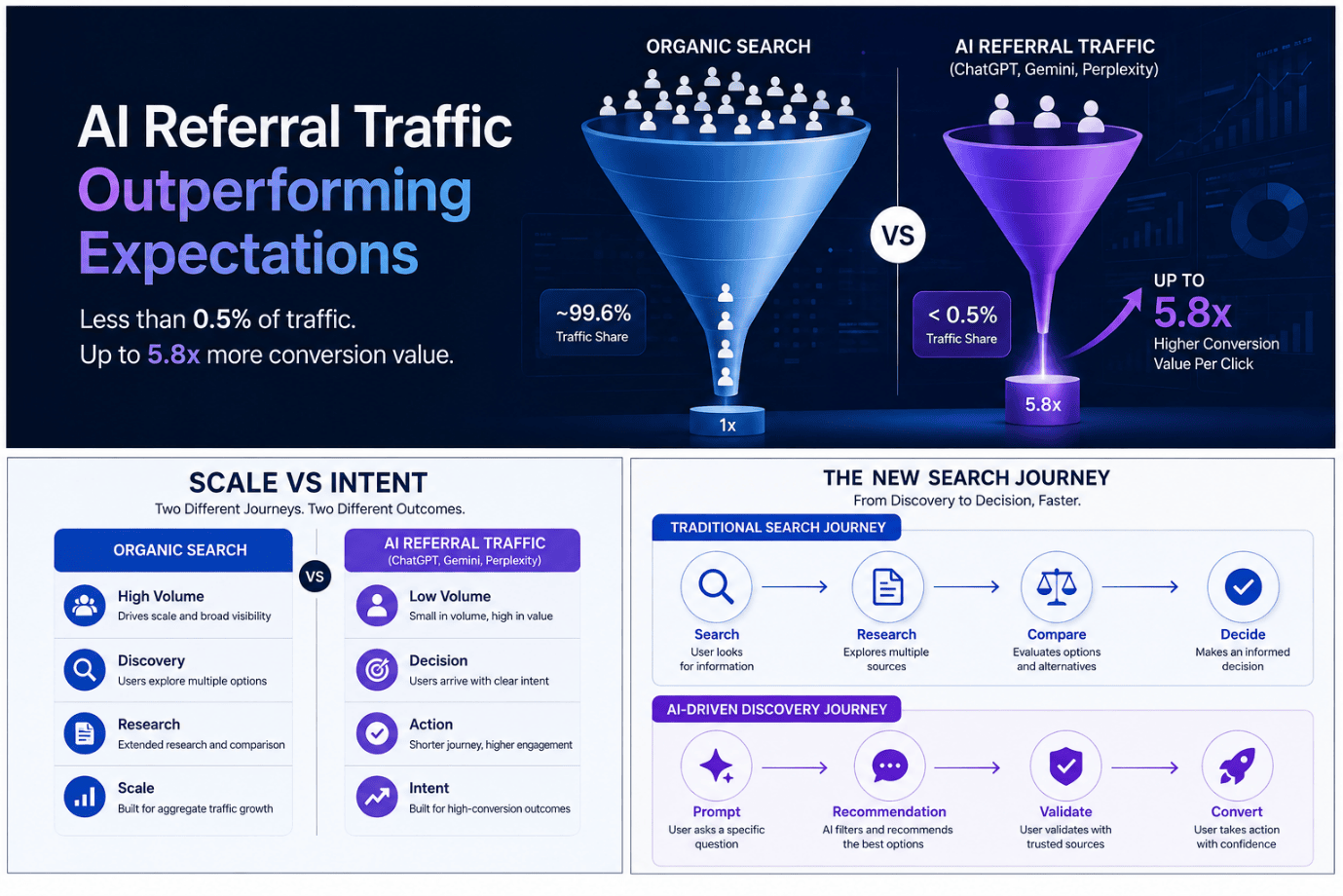
AI visibility alone is no longer enough. The analysis found that brands mentioned in AI-generated answers are not automatically perceived as credible; trust is driven more by evidence, third-party validation, and demonstrable expertise than by brand positioning alone. As AI search evolves, brands will need to focus on building authority and proof points, not just increasing mentions [Source: Search Engine Journal]
5. How to Turn Your CTV Campaign Into a True TV Advertising Strategy
CTV is evolving from a digital extension of television into a distinct advertising channel that requires its own strategy. Success increasingly depends on combining TV’s storytelling power with digital capabilities such as audience targeting, cross-platform measurement, frequency management, and programmatic buying to improve reach, reduce ad waste, and drive measurable business outcomes. [Source: AdWeek]
6. All Media Is Commerce Media: What happens when relevance becomes relentless?
As media channels become increasingly shoppable, the distinction between content, advertising, and commerce is fading. The real competitive advantage is no longer just relevance, but the ability to connect every consumer interaction to a potential transaction, creating always-on, highly personalised buying journeys. At the same time, brands must balance this growing commercialisation with consumer trust, ensuring experiences remain useful rather than intrusive. [Source: The Drum]
7. The Integrity Graph: The Missing Layer In Your AI Visibility Audit
AI visibility is no longer determined by individual pages alone. What increasingly matters is the strength and consistency of the relationships between your brand, content, authors, products, and supporting entities across the web. The article argues that brands need to move beyond traditional schema audits and build an “Integrity Graph” — a connected, machine-readable network of trusted signals that helps AI systems confidently understand, cite, and recommend them. [Source: Search Engine Journal]
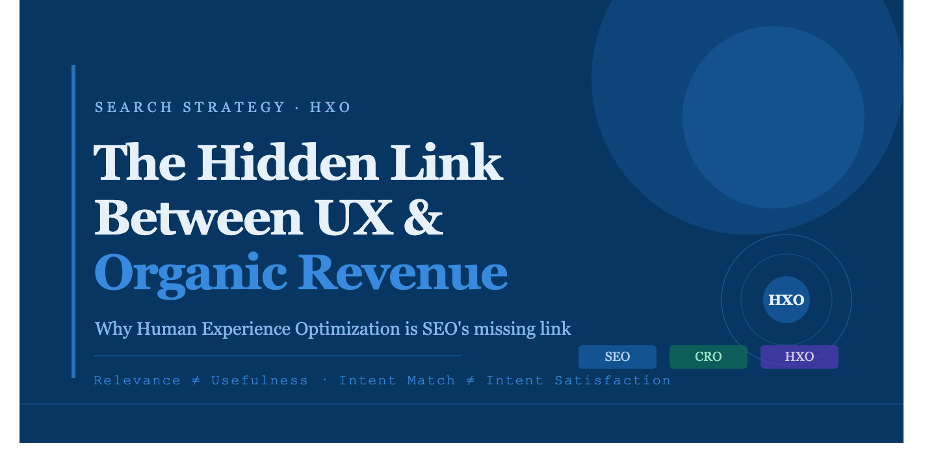
8. Why so much SEO work no longer drives growth
SEO teams are increasingly finding that traditional optimisation efforts alone are no longer delivering the growth they once did. As search shifts toward AI-generated answers, zero-click experiences, and changing user behaviour, success depends less on ranking for keywords and more on building authority, brand trust, and content that genuinely influences decision-making across multiple discovery channels. [Source: Search Engine Land]
9. How AI Personalization Builds Trust — Until It Doesn’t
Consumers increasingly want personalised experiences, but many are becoming uncomfortable with how much brands know about them. The article argues that AI-driven personalisation creates value only when customers clearly understand and benefit from the data exchange; otherwise, it risks feeling less like relevance and more like surveillance, eroding trust and long-term loyalty. [Source: CMS Wire]
10. Google zero-click searches hit 68% in early 2026: Study
Google’s AI-powered search experience is accelerating the shift toward a zero-click internet, with a recent study showing that nearly 68% of Google searches now end without users visiting an external website. As AI Overviews increasingly provide complete answers within search results, brands and publishers need to rethink success metrics—focusing less on clicks and more on visibility, citations, and presence within AI-generated responses. [Source: search Engine Land]