
1.Approaching Digital Transformation With a Marketing Mindset
Digital transformation shouldn’t be confined to IT—marketers play a vital role in shaping immersive, customer-centric digital experiences. By adopting a marketing mindset, businesses can enhance brand awareness, foster loyalty, and create engaging virtual touchpoints that mirror in-person interactions. [Source: MarketingProfs]
2. The dawn of the “Godlike” enterprise: How AI is redefining business strategy
Deepak Bhosale of Asian Paints envisions businesses evolving into “Godlike Enterprises” powered by AI—autonomous, predictive, and deeply personalized. He emphasizes modular AI agents managing tasks like marketing, while still valuing human empathy and creativity as irreplaceable. [Source: ET Brand Equity]
3. Advertising in the Age of Emotion
Digital advertising is evolving from keyword-based targeting to emotion-driven strategies, where understanding how content makes people feel is key. Advances in AI now allow advertisers to align brand messages with the emotional states induced by content, making placements more impactful and resonant. [Source: AdWeek]
4. How legacy CPG brands can crack the social-first marketing code
Legacy CPG brands are rapidly shifting to social-first marketing strategies to better connect with Gen Z, driven by the decline of traditional TV and the rise of platforms like TikTok. Companies like Unilever and PepsiCo are investing heavily in influencer partnerships, AI-powered content creation, and acquisitions of socially native brands to stay culturally relevant and competitive. [Source: Marketing Dive]
5. Maturing AI, business impact, and agents galore: How the CAIO role has evolved over the past year
Chief AI Officers (CAIOs) are now focusing less on just developing AI tech and more on driving real business impact. Over the past year, their roles have evolved to include managing mature AI systems and exploring the potential of AI agents in enterprise settings. [Source: Fortune]
6. AI Agents Are The New Personal Shoppers In Online Fashion
AI-powered fashion agents like Gensmo are transforming online shopping by offering deeply personalized styling experiences, simulating try-ons, and tailoring suggestions based on lifestyle and preferences. This shift is helping retailers reduce return rates and boost conversions, while also redefining the relationship between consumers and fashion platforms. [Source: Forbes]
7. Rethinking the IT organization for the agentic AI era
Agentic AI is prompting CIOs to rethink IT structures, emphasizing human-AI collaboration, agile team evolution, and embedded governance. As AI agents reshape workflows and responsibilities, IT must shift from infrastructure management to orchestrating intelligence across the enterprise. [Source: CIO]
8. Marketing: An Art or a Science?
Marketing is neither purely art nor science—it’s a social science that blends creativity with data to shape human behavior and build lasting brand relationships. The most effective strategies center on customer needs, delivering value, trust, and long-term growth through meaningful engagement. [Source: Nairametrics]
9. The CMO Survey: Marketing leaders rise to direct digital transformation for their firms
Marketing leaders are increasingly being tasked with spearheading digital transformation, with 73% leading such efforts in their firms. As their visibility grows, so does the pressure from CEOs and CFOs to prove marketing’s long-term value, especially as digital marketing now takes up 58% of budgets. [Source: Forbes India]
10. The CMO & SEO: Staying Ahead Of The Multi-AI Search Platform Shift
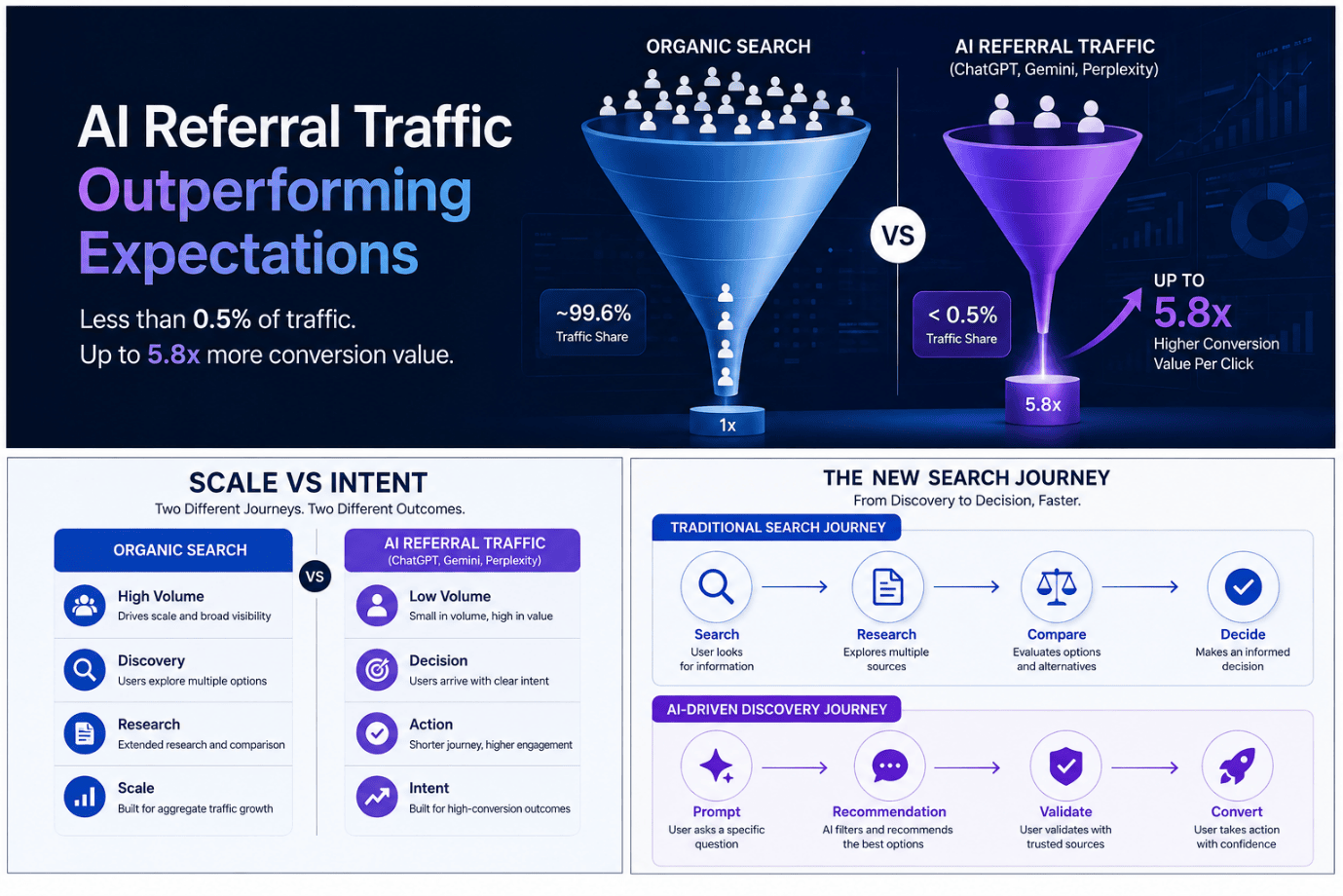
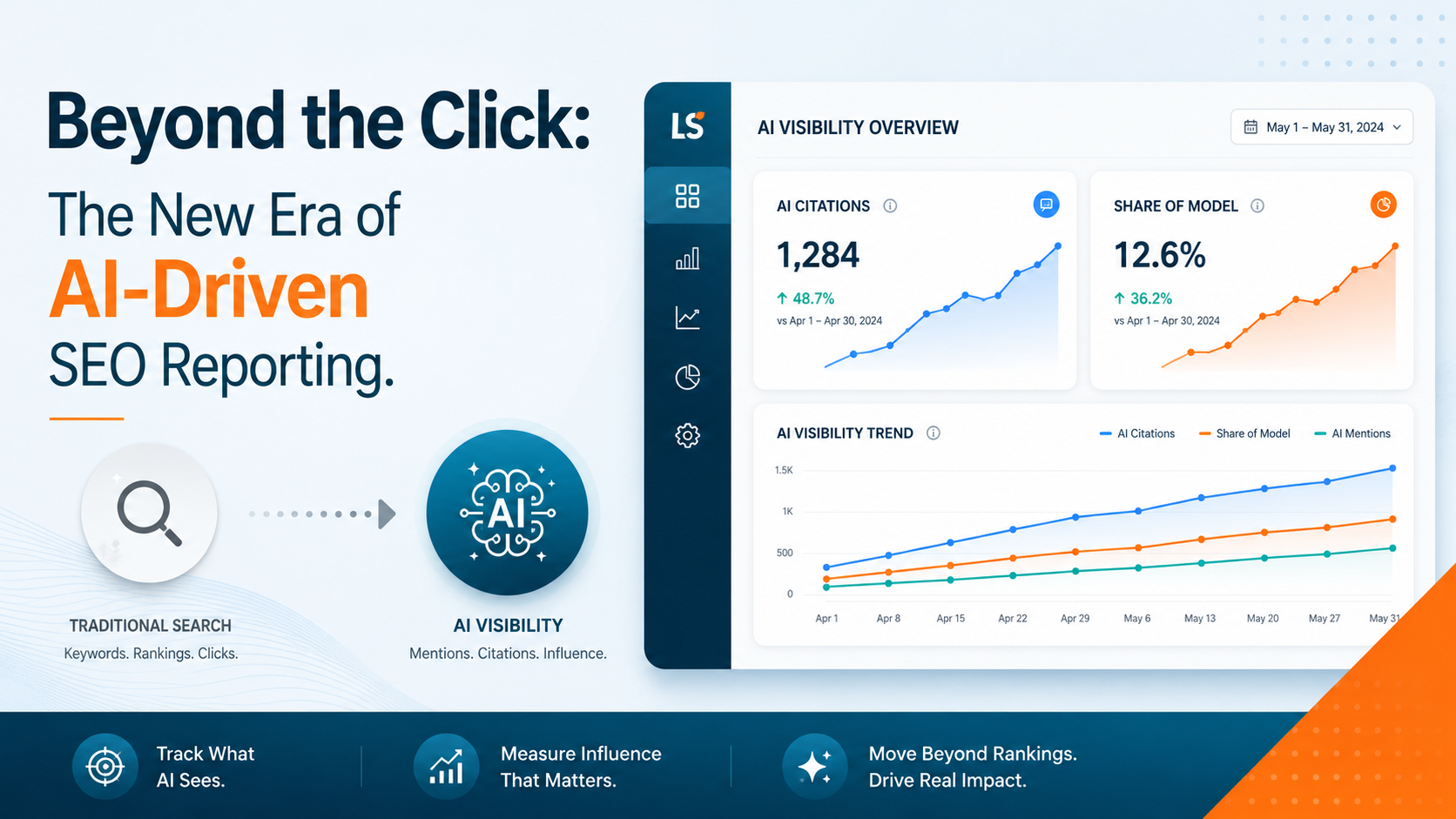
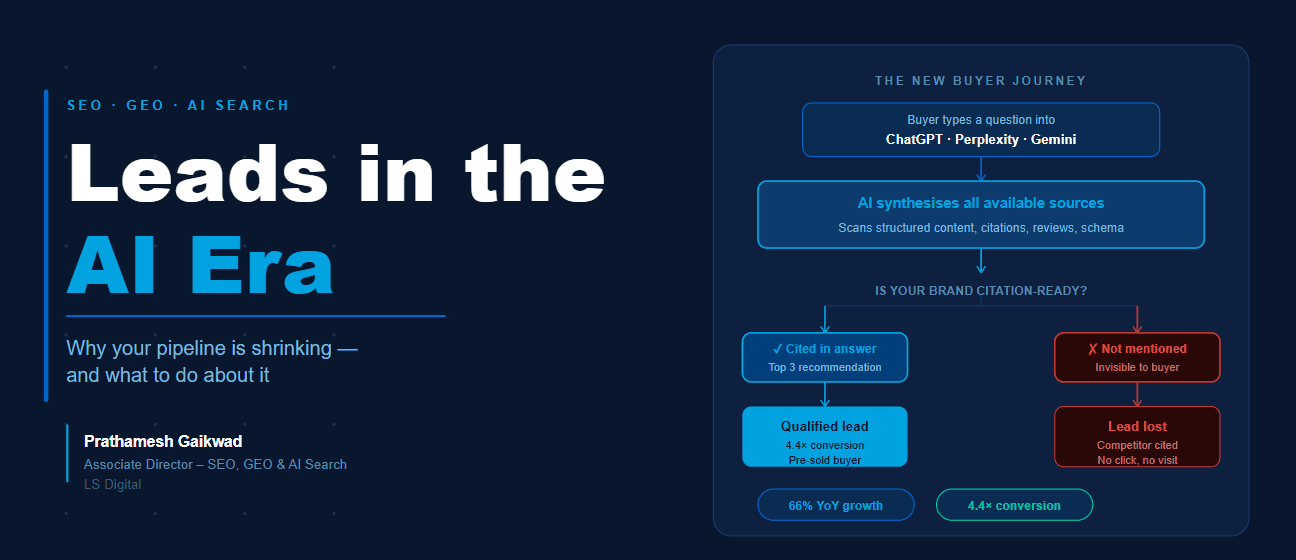
AI-driven search is rapidly transforming the digital landscape, with platforms like ChatGPT, Claude, and Perplexity reshaping how users find and interact with content. CMOs must now optimize across multiple AI engines, focusing on structured data, brand authority, and cross-team integration to stay visible and influential in this evolving multi-AI search world. [Source: Search Engine Journal]